
What Is Ergonomic Seating—and Why Does It Matter?
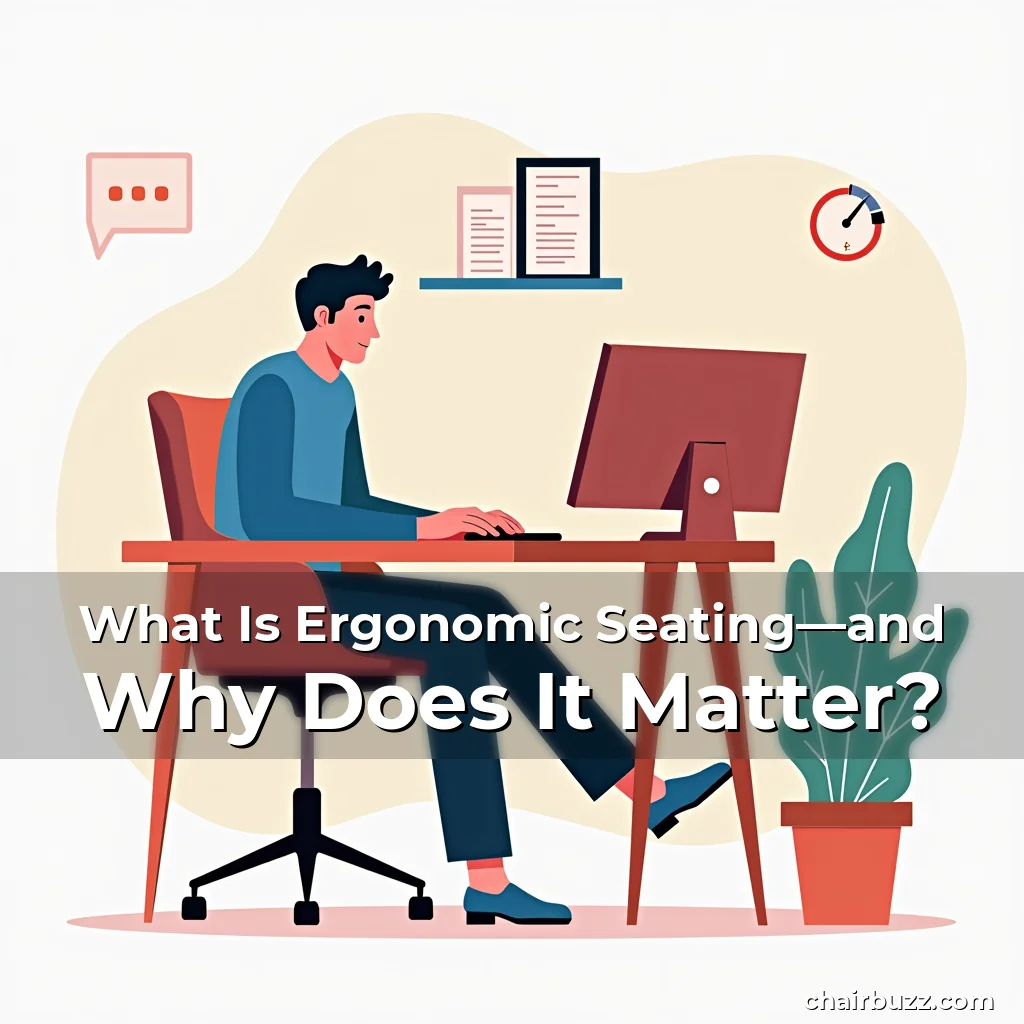
The Ergonomic Seating Revolution: How Modern Design is Transforming Workplace Comfort and Productivity
In an era dominated by prolonged sitting and digital workflows, ergonomic seating has emerged as a cornerstone of modern workspace design. From office environments to home setups, the demand for chairs that prioritize both comfort and health continues to surge.
This article dives deep into the world of ergonomic seating, exploring its evolution, core principles, and practical applications. Whether you’re a remote worker, a student, or someone seeking relief from chronic discomfort, understanding ergonomic seating can redefine your daily experience.
What Is Ergonomic Seating—and Why Does It Matter?
Ergonomic seating refers to furniture designed to optimize human performance, safety, and comfort during activities like sitting, standing, or moving. Unlike traditional chairs, these designs consider biomechanical factors to align the body naturally.
The significance of ergonomic seating lies in its ability to mitigate physical strain caused by poor posture. A poorly designed chair forces unnatural spinal curves, leading to fatigue, muscle tension, and even long-term injuries over time.
Modern ergonomic chairs often feature adjustable components such as armrests, recline angles, and lumbar support. These adjustments allow users to tailor their seating experience to individual needs, promoting healthier postures.
- Lumbar Support: Crucial for maintaining the natural curve of the lower spine, reducing pressure on discs and muscles.
- Adjustable Height: Ensures feet rest flat on the floor, preventing leg swelling and improving circulation.
- Saddle Seat Options: Designed for dynamic movement, encouraging micro-movements to combat stiffness.
The Evolution of Ergonomic Seating: From Basic Designs to Smart Technology
The concept of ergonomic seating dates back centuries, with early examples found in ancient Egypt and Rome. However, modern advancements began in the mid-20th century, driven by industrialization and rising workplace injury rates.
Pioneers like Hans Wagner and Alvar Aalto introduced curved, supportive designs in the 1950s. Today, brands leverage cutting-edge technology to create chairs with sensors, self-adjusting mechanisms, and AI-driven posture correction systems.
Smart ergonomic chairs now integrate with fitness trackers and mobile apps, offering personalized recommendations based on usage patterns and physiological feedback.
Materials have also evolved, incorporating breathable fabrics, memory foam, and lightweight alloys that balance durability with comfort. Sustainability trends further push manufacturers toward eco-friendly production methods.
Key Features of High-Quality Ergonomic Chairs
A well-designed ergonomic chair typically includes several key features engineered to promote posture and reduce strain. Understanding these components helps users make informed purchasing decisions.
Lumbar Support Systems: Adjustable lumbar supports mimic the natural curvature of the spine, distributing pressure evenly across the lower back. Some models offer heating or massage functions for added relief.
Headrest Adjustments: Proper headrest placement prevents neck strain by supporting the cervical spine at an optimal angle. This is especially crucial for tasks requiring extended screen time.
Dual-Pivot Armrests: These allow independent movement of each armrest, ensuring hands remain in a neutral position while typing or reaching for objects.
The Science Behind Posture Optimization
Research shows that improper sitting posture contributes to up to 80% of lower-back pain cases globally. Ergonomic chairs counteract this by encouraging the pelvis to tilt forward slightly, which engages core muscles and reduces reliance on passive support.
Studies conducted by institutions like Harvard University emphasize that chairs with dynamic seating options—such as rocking bases or tilting mechanisms—can increase calorie burn by up to 15%, combating sedentary lifestyle risks.
Beyond Office Spaces: Ergonomic Seating in Everyday Life
Ergonomic seating isn’t limited to workplaces; it plays a vital role in homes, schools, and healthcare settings. For instance, students benefit from chairs that encourage active learning through built-in movement features.
Families with young children may opt for convertible chairs that grow with the child, transitioning from toddler seats to full-sized desks. Meanwhile, healthcare professionals rely on specialized chairs to maintain mobility during long shifts.
Outdoor enthusiasts and travelers also seek portable ergonomic solutions, including foldable chairs and kneeling stools that adapt to varied terrains and climates.
How Ergonomic Seating Improves Health Outcomes
Chronic conditions like sciatica, carpal tunnel syndrome, and repetitive strain injuries often stem from prolonged exposure to non-ergonomic environments. Ergonomic seating acts as a preventive measure against such ailments.
Data from the World Health Organization indicates that ergonomic interventions in offices can reduce musculoskeletal disorder incidents by nearly 40%. This translates to fewer sick days and increased workforce efficiency.
Mental health benefits shouldn’t be overlooked either. Comfortable seating enhances concentration, reduces stress, and fosters a sense of well-being—a critical factor in today’s high-pressure job markets.
Selecting the Right Ergonomic Chair for Your Needs
Choosing the ideal ergonomic chair depends on various factors, including body size, activity level, and personal preferences. Taking time to evaluate these aspects ensures long-term satisfaction and value.
Body Type Considerations: Taller individuals may require chairs with extended seat depths and higher backrests, while those with smaller frames should look for compact yet fully adjustable models.
Usage Duration: If you sit for eight hours daily, prioritize chairs with advanced lumbar support and breathable padding. Occasional users might find simpler, cost-effective options sufficient.
Material Preferences: Leather offers durability and ease of cleaning, whereas fabric provides breathability in warmer climates. Hybrid designs combine both advantages.
Tips for Testing Ergonomic Chairs In Person
Before purchasing online, visit retail stores to test chairs physically. Sit for at least ten minutes to assess comfort levels and adjustability ranges. Pay attention to pressure points and overall stability.
Ask sales representatives about warranties, return policies, and customer reviews. Reputable brands usually provide clear information about product lifespan and repair services.
Setting Up Your Ergonomic Workspace Correctly
Even the best chair won’t deliver optimal results without proper setup. Aligning your desk, monitor, and chair according to ergonomic guidelines maximizes benefits and minimizes risk.
Your computer screen should be positioned at eye level, approximately an arm’s length away. This prevents hunching and reduces glare-related eye strain. Keyboard trays and document holders can further streamline workflow.
Ensure your legs form a 90-degree angle with your torso, and avoid crossing your ankles, which restricts blood flow. Footrests help achieve this alignment when seated for extended periods.
Common Myths About Ergonomic Seating Debunked
Many people believe that only expensive chairs qualify as ergonomic. While premium models offer superior features, affordable options exist that meet basic ergonomic standards effectively.
Another misconception is that ergonomic seating eliminates the need for exercise. In reality, it complements physical activity rather than replacing it. Regular stretching and movement remain essential for holistic wellness.
Some argue that ergonomic chairs encourage slouching because of their reclining capabilities. However, most models include reminders or alerts to prompt upright positioning after extended use.
The Future of Ergonomic Seating: Innovations on the Horizon
As technology advances, so does the potential for smarter, more adaptive ergonomic solutions. Emerging innovations promise greater customization and integration with daily routines.
One promising trend involves biometric feedback systems embedded in chairs. These devices track heart rate variability, breathing patterns, and posture in real-time, providing instant corrections via subtle vibrations or visual cues.
Modular seating configurations are gaining popularity, allowing users to reconfigure their workspaces dynamically. Imagine a chair that transforms into a yoga mat or a standing desk base depending on your needs!
Investing in Long-Term Wellness: A Call to Action
Ergonomic seating represents a proactive investment in your health, productivity, and quality of life. By prioritizing comfort and functionality, you’re setting yourself up for success in both professional and personal domains.
Whether you’re upgrading your home office or designing a collaborative workspace, thoughtful choices today will yield tangible rewards tomorrow. Explore available options, consult experts, and take the first step toward a healthier, happier lifestyle.

news is a contributor at ChairBuzz. We are committed to providing well-researched, accurate, and valuable content to our readers.