This preference is rooted in our brain’s response to aesthetics and comfort.
The Psychology of Furniture Choice
Aesthetics and Comfort
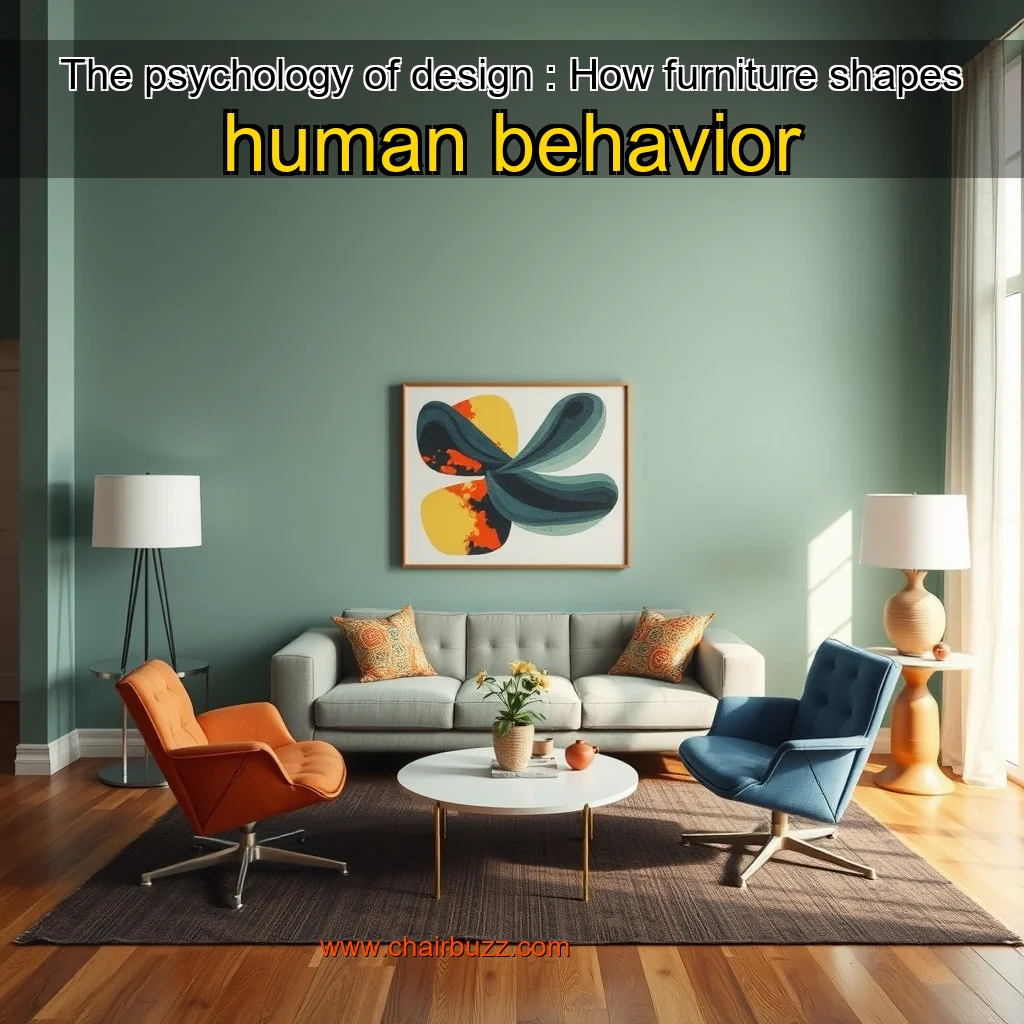
When it comes to choosing furniture, our brains are wired to respond to aesthetics and comfort. Research suggests that people are more likely to choose rounded furniture over sharp-angled pieces because of its perceived softness and gentleness. This preference is not just about looks; it also affects our emotional state and well-being.
The psychology of furniture is not just about aesthetics; it’s about creating an emotional connection with the space and the people in it.
The Power of Color
Color plays a significant role in shaping our emotional responses to furniture. Different colors can evoke distinct emotions and moods, influencing our behavior and interactions. For instance:
The Impact of Texture
Texture is another crucial element in the psychology of furniture. Different textures can create distinct sensory experiences, influencing our mood and behavior. For example:
The Role of Shape and Form
The shape and form of furniture can also significantly impact our emotional responses. Different shapes and forms can create distinct spatial experiences, influencing our behavior and interactions.
Open-Office Designs: Where Collaboration Meets Distraction.
The Rise of Open-Office Designs
In recent years, the traditional office layout has undergone a significant transformation. Gone are the days of cubicles and closed-door offices. The modern workplace has adopted open-office designs, which have sparked both praise and criticism. One of the most significant concerns is the impact on face-to-face interaction.
The Decline of Face-to-Face Interaction
Studies have shown that open-office designs can reduce face-to-face interaction. This is because employees are often distracted by their colleagues’ conversations, meetings, and noise levels. As a result, they may struggle to focus on their work. Harvard Business School found that employees in open offices reported feeling less connected to their colleagues and experiencing increased distractions. Key findings: + Reduced face-to-face interaction + Increased distractions + Employees feel less connected to colleagues
The Benefits of Hybrid Approaches
However, not all open-office designs are created equal. Companies like Google and Airbnb have pioneered hybrid approaches that incorporate quiet zones, collaboration areas, and flexible workstations. These designs aim to strike a balance between the benefits of open spaces and the need for focused work.
Quiet Zones and Collaboration Areas
Quiet zones provide employees with a peaceful environment to focus on their work.
The Psychology of Retail Design
Retail design is not just about aesthetics; it’s a carefully crafted strategy to influence consumer behavior. By incorporating specific design elements, retailers can create an immersive experience that encourages customers to linger, explore, and ultimately make a purchase. In this article, we’ll delve into the psychology behind retail design and explore how luxury boutiques and grocery stores use design to drive sales.
The Power of Seating
One of the most effective design elements in retail is seating. Plush seating areas can be found in luxury boutiques, where they serve as a deliberate attempt to slow down shoppers. By providing a comfortable place to sit, retailers can encourage customers to linger and engage with their surroundings. This, in turn, increases the chances of making a purchase. Some benefits of seating in retail include: + Increased dwell time: Customers are more likely to spend more time in the store, increasing the chances of making a purchase. + Improved customer experience: Seating areas can provide a respite from the hustle and bustle of shopping, allowing customers to relax and recharge.
It’s a reflection of our culture, values, and lifestyle. In this article, we’ll delve into the world of furniture, exploring its history, design principles, and the impact it has on our daily lives.
The Evolution of Furniture
Furniture has been an integral part of human civilization for thousands of years.