
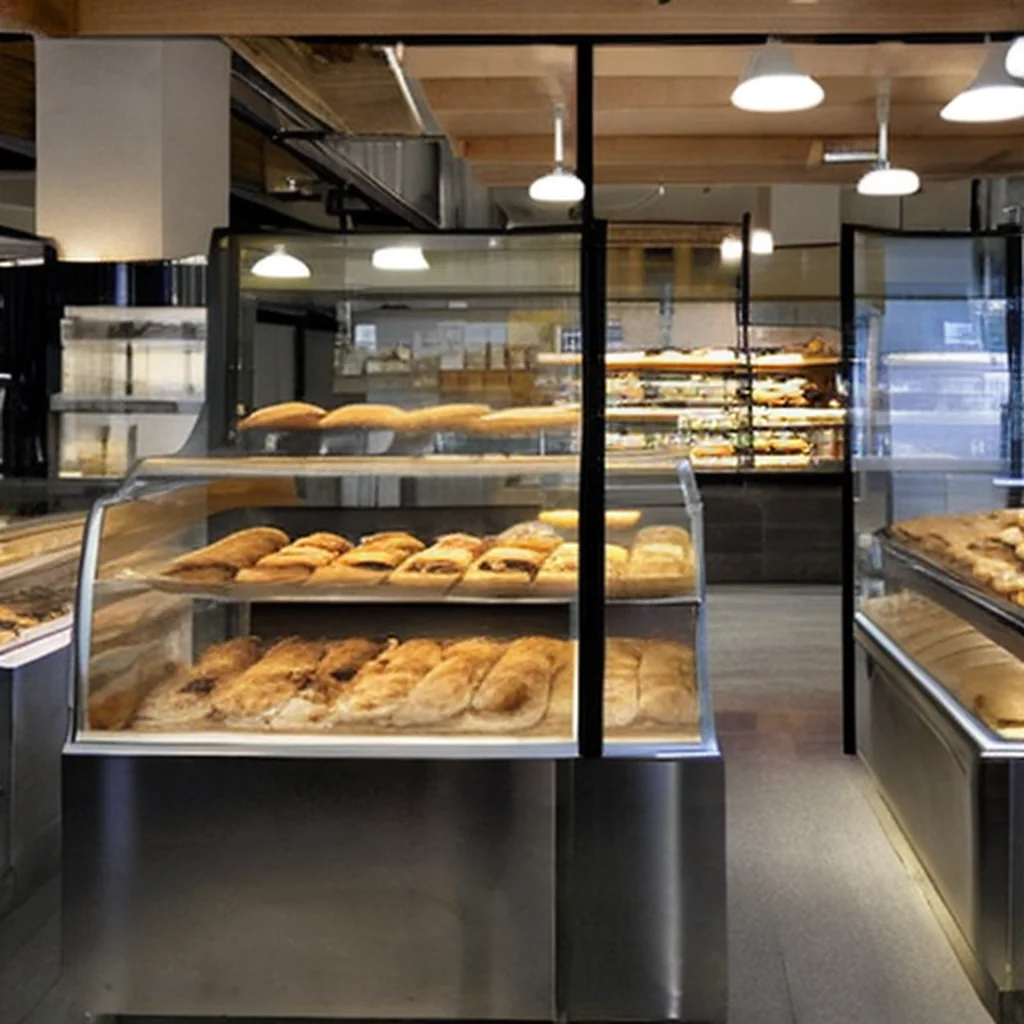
The link between architecture and pastry is multifaceted and goes beyond mere aesthetics. It’s about creating an experience that engages all the senses, from the moment you step inside to the last bite of your pastry. This is achieved through a carefully considered design strategy that blends functionality, aesthetics, and the unique characteristics of the product itself. Contemporary bakeries and pastry shops are characterized by a focus on open spaces, natural light, and a sense of warmth and welcoming.
Dinara Kasko, a renowned chef and culinary historian, emphasizes the universal principles of culinary arts. She highlights the importance of form, magnitude, composition, proportion, color, and texture in both baking and building construction. She further emphasizes the significance of regional culinary traditions and customs, which are passed down through generations or adapted to modern technologies.
These examples highlight the transparency and accessibility of the bakery experience, inviting customers to witness the magic of baking firsthand. The summary provides a concise overview of how pastry shops and bakeries can utilize design elements to enhance the customer experience. It emphasizes the importance of transparency and accessibility, showcasing how design can be used to create a welcoming and engaging environment for customers. Let’s delve deeper into the specific design elements that contribute to this enhanced customer experience. **Transparency and Accessibility:**
* **Open-view bakery workshops:** This design element allows customers to observe the production process firsthand, fostering a sense of connection and engagement.
The design of a space, particularly in the context of hospitality and retail, plays a crucial role in guiding the movement and experience of its users. This is achieved through the strategic placement of furniture, lighting, and other design elements. Furniture, in particular, can be used to define routes and create a sense of flow.
This is evident in the display cases, where the use of light wood and marble creates a sense of lightness and airiness. This combination is further enhanced by the use of subtle, warm lighting.
This integration of nature and species is not limited to the exterior. The interior design of the mentioned cafes also incorporates natural elements, such as wood, stone, and plants. The use of these materials creates a sense of warmth, comfort, and connection to the environment. The use of natural materials in interior design is not just a trend; it’s a conscious effort to create a more sustainable and environmentally friendly space.
This article focuses on the design of a public library in the city of Shanghai, China. The article highlights the importance of creating a welcoming and inclusive space for all users, regardless of age, background, or ability. The design team, led by architect Wang Wei, aimed to create a library that fosters a sense of community and encourages interaction among its visitors. The design features a variety of spaces, each with a distinct purpose and character. The library’s central atrium, a grand and airy space, serves as a gathering place for the community.