
Types of Infusion Therapy Treatments
Infusion therapy treatments are available for a range of conditions, including:
How Infusion Therapy Works
Infusion therapy involves the administration of medications or nutrients through a vein, typically in a hospital setting. The process typically involves:
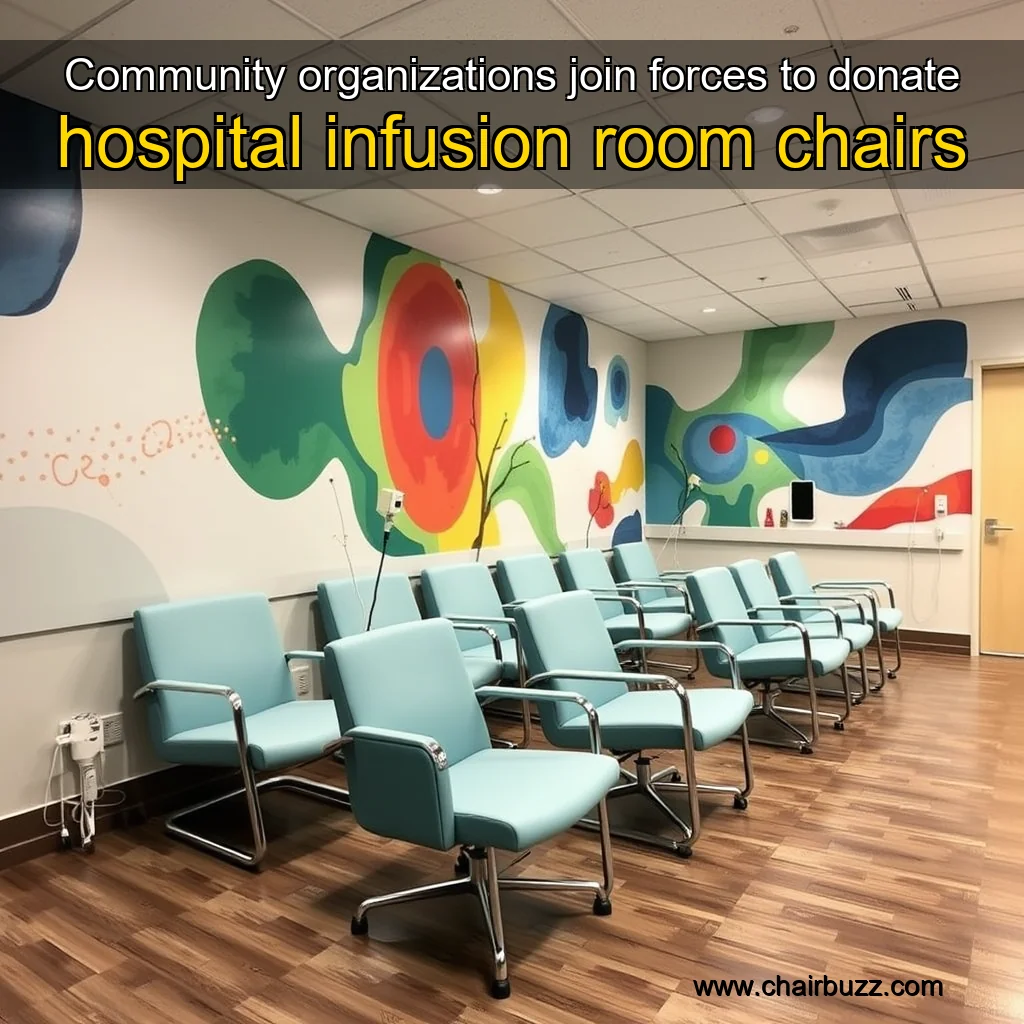
The new chairs are designed to provide comfort and relaxation for patients undergoing infusion therapy.
The Need for Comfort in Infusion Therapy
Infusion therapy is a common treatment for various medical conditions, including cancer, HIV, and chronic illnesses. During this treatment, medications or nutrients are administered through an intravenous line, which can be a lengthy and uncomfortable process. The discomfort can be exacerbated by the physical sensations of the infusion, such as pain, swelling, and fatigue.
The Impact of Comfort on Patient Experience
Comfort is a crucial aspect of infusion therapy, as it can significantly impact the patient’s overall experience. A comfortable environment can reduce anxiety, alleviate pain, and promote relaxation, making the treatment more tolerable. On the other hand, a lack of comfort can lead to increased stress, discomfort, and even anxiety, which can negatively impact the patient’s mental and physical well-being.
The Role of Technology in Comfort
The new heated recliners at the Cut Bank Elks Club are designed to provide comfort and relaxation for patients undergoing infusion therapy. These chairs feature heated recliners that lightly massage, providing a soothing and calming experience. The technology used in these chairs is designed to reduce discomfort and promote relaxation, making the infusion process more tolerable.
The Importance of Community Support
The donation of the new chairs by the Cut Bank Elks Club, Rockies Healthcare Foundation, and the Wishing Well Project demonstrates the importance of community support in providing comfort to patients undergoing infusion therapy.
“This new infusion chair will greatly benefit the patients of Logan Health – Cut Bank, and we are honored to be a part of this project.”
The Wishing Well Project
The Wishing Well Project is a community-based initiative that aims to provide support and resources to individuals and families in need.
The New Infusion Room at Logan Health – Cut Bank
The Logan Health – Cut Bank community is set to benefit from the latest addition to their healthcare facilities – a brand-new infusion room. This state-of-the-art room is designed to provide patients with a comfortable and efficient experience, allowing them to receive their treatments in a clean and hygienic environment.
Key Features of the New Infusion Room
Honoring the Contributors
The new infusion room will soon display plaques to honor those who contributed towards its completion. This thoughtful gesture acknowledges the hard work and dedication of the individuals and teams involved in the project.
The Importance of Community Recognition
Recognizing the contributions of others is essential in building a sense of community and appreciation. By honoring the individuals who worked tirelessly to bring this new facility to life, Logan Health – Cut Bank is demonstrating its commitment to its patients and staff.
Examples of Community Recognition
A Brighter Future for Logan Health – Cut Bank
The new infusion room is just one example of the many ways in which Logan Health – Cut Bank is investing in its community.
With a focus on patient-centered care, Logan Health is committed to providing exceptional service to its patients. Here are some key aspects of Logan Health’s approach to care:
Patient-Centered Care
Logan Health prioritizes patient-centered care, which means that the needs and preferences of each patient are taken into account when providing care. This approach is reflected in the way the organization delivers care, from the initial consultation to the final discharge. The patient-centered care model is based on the following principles: + Respect for the patient’s autonomy and dignity + Empathy and compassion in the delivery of care + Collaboration with the patient to develop a personalized care plan + Ongoing communication and education to ensure the patient is informed and involved in their care
Community-Based Care
Logan Health is committed to providing community-based care, which means that the organization delivers care in the patient’s home or in a community setting. This approach is designed to reduce healthcare costs, improve patient outcomes, and enhance the overall quality of life. The benefits of community-based care include: + Reduced healthcare costs + Improved patient outcomes + Enhanced quality of life + Increased patient satisfaction
+ Home health care + Hospice care + Community outreach and education programs
Collaborative Care
Logan Health is committed to providing collaborative care, which means that the organization works with other healthcare providers and community organizations to deliver care.