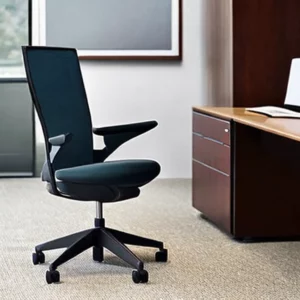
Design was a new profession to British mid century modern designers
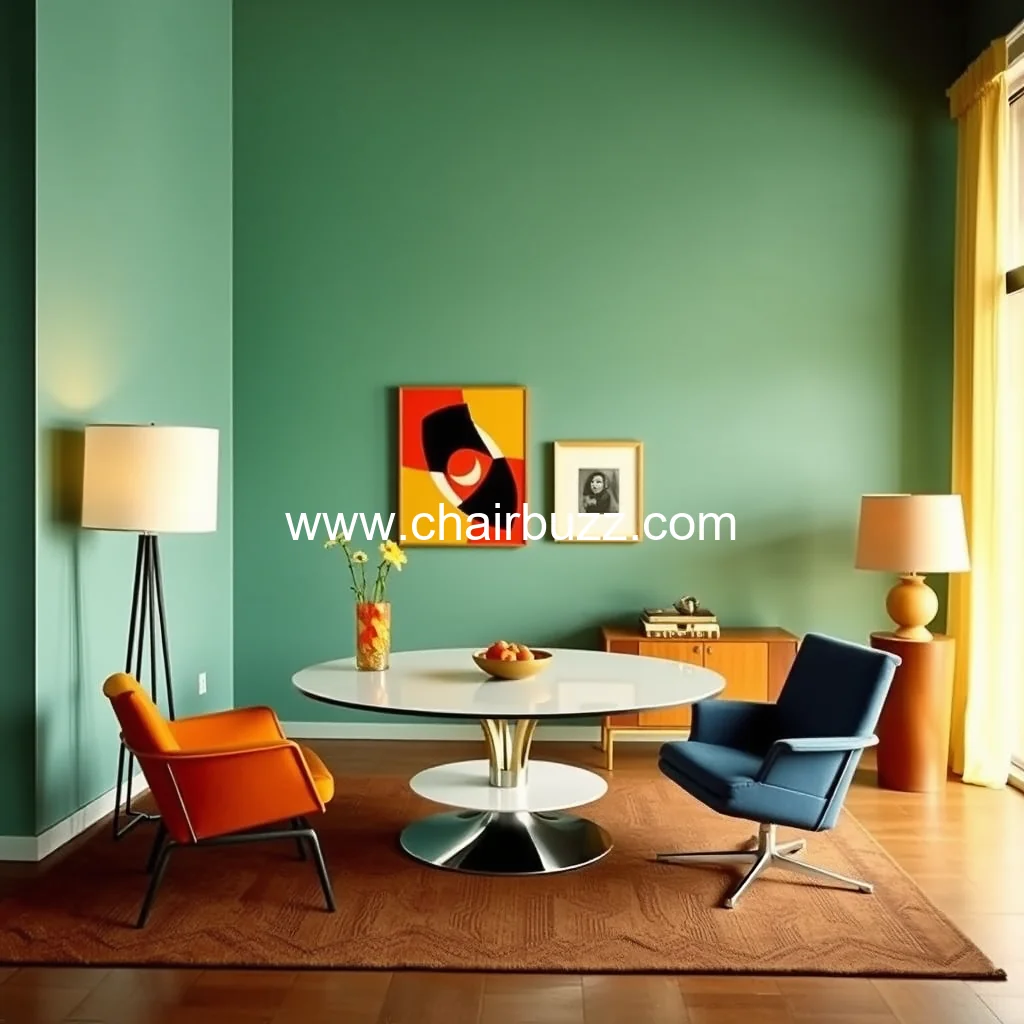
Paula shared that her parents were inspired by the Bauhaus movement and the work of artists such as Josef Albers and Wassily Kandinsky.
The Early Years of Robin and Lucienne Day
Robin and Lucienne Day were two of the most influential designers of the 20th century. Born in 1914 and 1917, respectively, they were both British artists who were deeply influenced by the avant-garde movements of the time. In the 1930s, they began to explore the world of design, attending exhibitions and lectures in London and Paris. Key influences on their work: + Bauhaus movement + Josef Albers + Wassily Kandinsky + Artists such as Henri Matisse and Pablo Picasso
The Development of the Day Design Studio
In the 1940s, Robin and Lucienne Day established their design studio in London. They were determined to create a unique and innovative approach to design, one that would reflect their artistic and philosophical values.
The Early Years of Robin Day
Robin Day was a British designer born in 1914 in London, England. He studied at the Royal College of Art and later worked with renowned designers such as Eileen Gray and Charles Rennie Mackintosh. Day’s early work was heavily influenced by the Arts and Crafts movement, which emphasized the importance of handcrafted, high-quality furniture. Key characteristics of Day’s early work include:
The Development of Day’s Style
As Day’s career progressed, his style evolved to incorporate more modern and experimental elements. He became known for his use of bold colors and graphic patterns, which were often applied to his furniture designs in innovative ways.
Early Years and Influences
Robin and Lucienne Day were born in 1914 and 1915, respectively, in the UK. They grew up in a family that valued art and encouraged their creative pursuits. Their parents, both artists themselves, provided them with a supportive environment that fostered their development as designers. The couple met while studying at the Slade School of Fine Art in London, where they were both part of the same art group.
“They were very much aware of the work of the great designers of the day, and they were not afraid to take risks and try new things.”
The International Inspiration of Robin and Lucienne Day
Robin and Lucienne Day, the renowned British designers, were not isolated to the traditional British design scene. Their work was heavily influenced by international designers, particularly those from Scandinavia and the US. This exposure to diverse design perspectives not only shaped their aesthetic but also encouraged them to experiment with new ideas and techniques.
The Art of Material Combination
Robin Day’s designs were known for their innovative use of materials. He often combined different materials to create unique and functional pieces of furniture. This approach not only showcased his creativity but also pushed the boundaries of what was possible in furniture design. Materials used by Robin Day included:
- Timber
- Steel
- Leather
- Glass
- Wood veneer
The RFD Terrace Chair
One of Robin Day’s most notable designs is the RFD Terrace chair.
The Royal Festival chairs are designed by the renowned designer, Paul Smith, in collaboration with the Royal Festival Hall in London. The chairs are made from a combination of materials, including wood, metal, and fabric, which gives them a unique and distinctive look. The Royal Festival chairs are designed to be both functional and aesthetically pleasing, making them a popular choice for those who value both form and function. The chairs are also designed to be durable and long-lasting, with a focus on quality and craftsmanship. The Royal Festival chairs have been praised by critics and users alike for their comfort and style, with many considering them to be a classic design that will stand the test of time. The chairs are also highly versatile, with a range of different designs and styles available to suit different tastes and preferences. The Royal Festival chairs are a testament to the power of collaboration and the importance of bringing together different perspectives and expertise to create something truly special.
The Evolution of Mid-Century Modern Design
Mid-century modern design has been a staple of interior design for decades, and its influence can still be seen in contemporary spaces. The style, which emerged in the mid-20th century, is characterized by clean lines, minimal ornamentation, and an emphasis on functionality. Key features of mid-century modern design include: + Clean lines and minimal ornamentation + Emphasis on functionality + Use of natural materials such as wood and leather + Incorporation of organic shapes and curves + Use of bold colors and graphic patterns
The Influence of Mid-Century Modern Design
Mid-century modern design has had a profound impact on the way we live and work.

news is a contributor at ChairBuzz. We are committed to providing well-researched, accurate, and valuable content to our readers.