
The Mama Samia Show : How the President is reviving tourism while promoters snooze Let me know if you have any other titles you would like me to create.
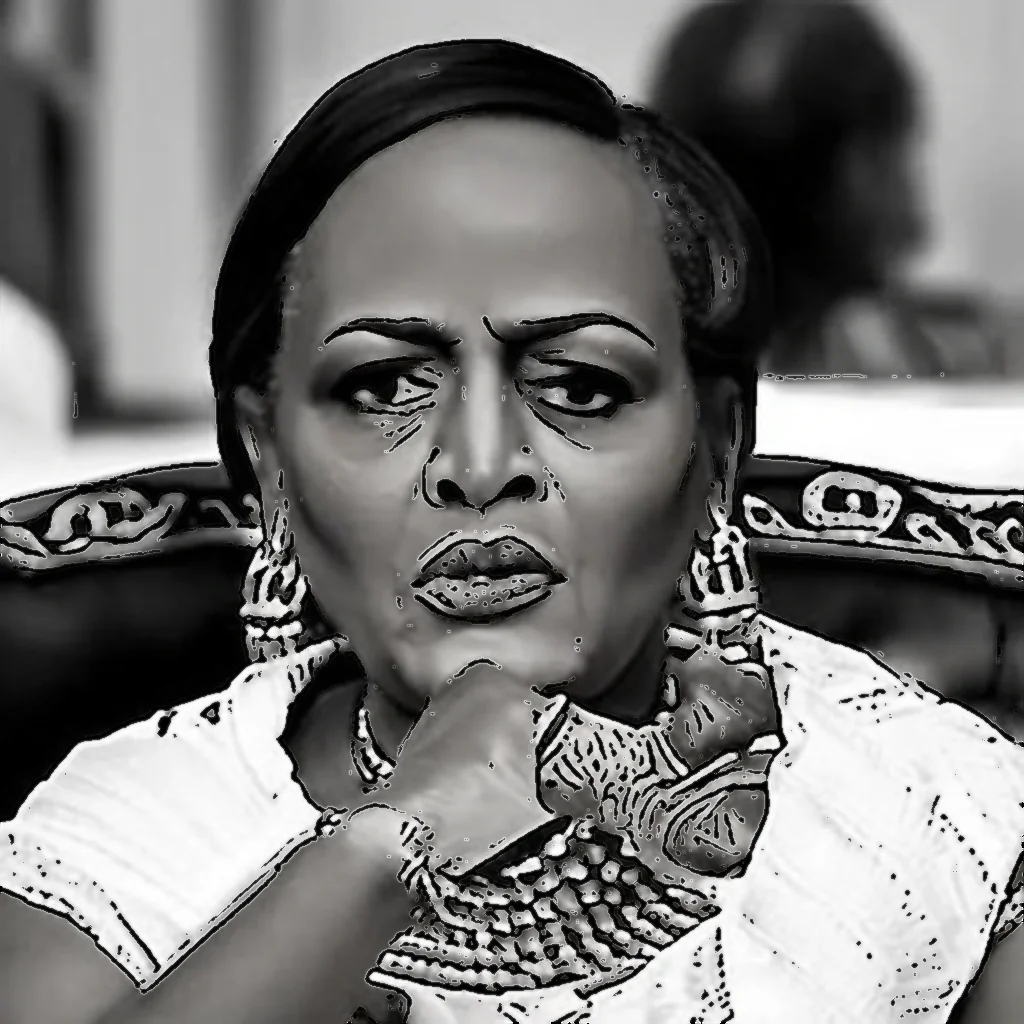
The show, hosted by the President herself, is a platform for showcasing Tanzania’s rich cultural heritage, its diverse landscapes, and its vibrant economy. It’s a celebration of everything that makes Tanzania unique and special. President Samia Suluhu Hassan, known for her charisma and leadership, has taken the initiative to use this platform to connect with the people of Tanzania. She aims to inspire and motivate them, highlighting the progress made in various sectors, such as education, healthcare, and infrastructure. The show also serves as a platform for promoting Tanzania’s tourism industry.
The film captured the essence of Tanzania, its people, and its wildlife, leaving a lasting impression on viewers worldwide. This success story, however, wasn’t a fluke. It was the culmination of years of meticulous planning, strategic partnerships, and a deep understanding of the Tanzanian market. The film’s success was a testament to the collaborative efforts of various stakeholders, including the Tanzanian government, tourism operators, filmmakers, and local communities. The film’s impact on tourism was immediate and significant. It attracted a surge in international visitors to Tanzania, boosting the country’s economy and creating jobs.
She’s built a thriving business empire, a testament to her hard work and resilience. But the story doesn’t end there. Mama Samia’s success is not just about her individual efforts; it’s about the power of community and the ripple effect of her actions. This is a powerful message that resonates with many, especially in a world where women are often expected to prioritize family over career.
The tourism industry was in a state of disarray, with a lack of coordination and communication. There was a complete absence of a unified strategy for promoting the festival. This lack of coordination resulted in a chaotic and disorganized experience for both tourists and locals. Tourists were left confused and frustrated, while locals were left feeling ignored and excluded. The lack of a unified strategy for promoting the festival was a major contributing factor to the chaos. This lack of coordination resulted in a fragmented marketing approach, with different stakeholders promoting the festival in their own ways, often without any clear understanding of the overall message. This fragmented approach led to a lack of consistency and coherence in the festival’s message, which ultimately resulted in a confusing experience for tourists.
* Mama Africa is a powerful and influential figure in the tourism industry. * She is a solopreneur, but her success is due to the collaborative efforts of many people. * Tourism is a multi-billion dollar industry with the potential to transform Tanzania’s economy. * The success of tourism depends on the collective efforts of various stakeholders. **Detailed Text:**
The phrase “Mama Africa” has become synonymous with the vibrant and dynamic tourism industry in Tanzania. This powerful figure, often referred to as a solopreneur, has single-handedly built a reputation for Tanzania’s tourism sector, captivating audiences worldwide with her charisma and dedication.
This is a classic case of the “blame game” that has plagued the tourism industry for years. The tourism industry is plagued by a lack of innovation and a failure to adapt to changing consumer demands. This is a result of a culture of complacency and a lack of accountability. The blame game is a dangerous game. It’s a distraction from the real issues and prevents us from finding solutions. It’s a way to avoid taking responsibility for our own shortcomings.

news is a contributor at ChairBuzz. We are committed to providing well-researched, accurate, and valuable content to our readers.